What Is Komorebi and Its Connection With Nature?
Komorebi (木漏れ日 in kanji) ko-mo-re-bi is a Japanese term derived from three kanji characters: ‘tree’ (ko), ‘to creep’ (mo), and ‘sunlight’ (rebi).Komorebi describes the delicate moment when sunlight filters through leaves, creating shifting patterns of light and shadow. It embodies a quiet dialogue between nature and time, where beauty emerges not from clarity but from partial revelation. This fleeting interplay reflects a deeper emotional truth: that some of the most moving experiences are the ones that cannot be held still.
'Beauty loses it power when it is full revealed' Jun'ichirō Tanizaki In praise of shadows
This sensibility aligns closely Mono no aware (物の哀れ) the Japanese appreciation of impermanence. Both concepts recognize that transience heightens beauty, a soft ache that comes from knowing a moment is already passing. Tanizaki’s belief that beauty loses power when fully revealed captures this perfectly; shadow, subtlety, and incompleteness invite a more intimate, contemplative response
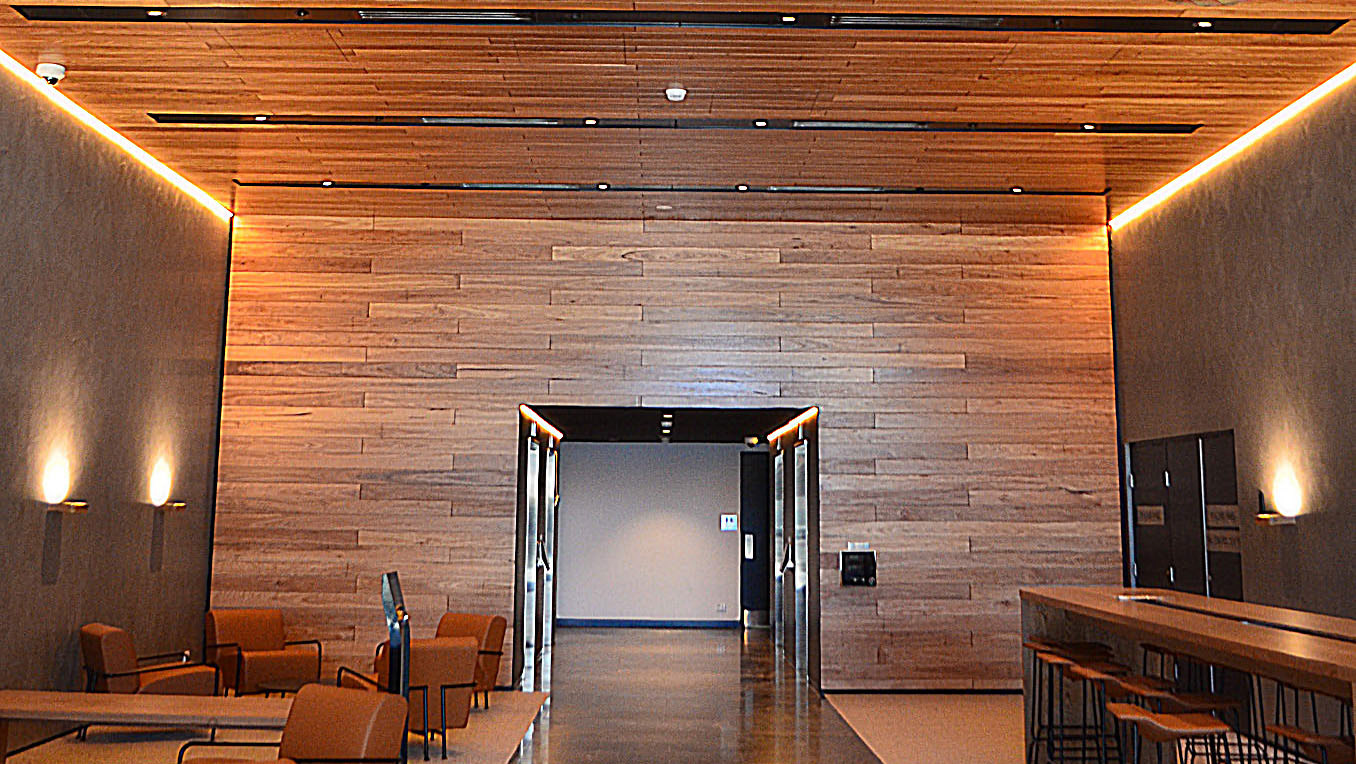
When translated into architectural lighting, in the lobby, these ideas inspire an atmosphere that feels welcoming, calm, and emotionally resonant. Soft ambient light provides comfort, while accents and feature lighting of artwork create gentle contrasts that echo the layered nuance of komorebi. The result is a space that guides visitors intuitively and leaves a memorable impression, one shaped not by spectacle, but by a refined balance of illumination, shadow, and sensory warmth. Together, these layers create a lobby that is not only functional but emotionally engaging a space that sets the tone for the entire user experience.